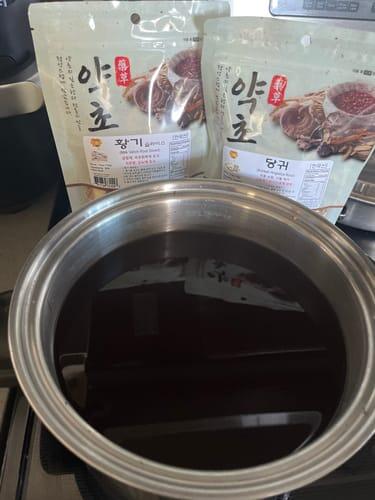
Korean Astragalus Root Slices | Pre-Sliced Milk Vetch | 3.5 oz
Kosbee Korean Astragalus Root Slices are pure, pre-cut Astragalus membranaceus root — also called milk vetch root, Huang Qi, or 황기 (hwanggi) — grown in Korea and sliced thin for tea and broth, with no additives.
The slices carry a gentle, woody-sweet aroma and are ready to drop straight into the pot — no sawing through a rock-hard whole root at home.
One Root, Many Names
Astragalus, milk vetch root, and Huang Qi all point to the same botanical: Astragalus membranaceus, known in Korea as 황기 (hwanggi). US shoppers often search "astragalus," while a package may read "milk vetch root" — this is that same root, grown in Korea.
Grown and Sliced in Korea
This is authentic Korean astragalus, a Product of Korea — not unlabeled bulk root of uncertain origin. It arrives in even, ready-to-use slices, so there is no hard whole root to cut yourself. Kosbee ships it from our New Jersey warehouse.
In Korea, astragalus root has long been simmered with jujube and licorice into gently sweet teas, and added to restorative soups like samgyetang. This pouch brings that same time-honored, woody aroma into your own kitchen.
What's in Every Pouch
- Astragalus (Milk Vetch) Root — 황기
- 100% pure Korean-grown astragalus root, dried and pre-sliced — nothing else added.
- Aroma and Flavor
- Gently woody and earthy with a mild, natural sweetness.
- Ready-to-Use Slices
- Even, thin slices that release their flavor quickly in a pot of tea or a long-simmered broth.
How to Use Korean Astragalus Root
For tea, simmer about 10-20 g of slices in 1 L (about 4 cups) of water on low heat for 30-60 minutes; add dried jujube or a slice of licorice for extra sweetness. For soup, add a few slices to samgyetang or another chicken or pork broth.
The root itself is woody, so steep or simmer it and then strain and discard the slices rather than eating them. A 3.5 oz (100 g) pouch makes about 10 servings, so a homemade pot of astragalus tea comes to a little over a dollar. Reseal and keep it in a cool, dry place or the refrigerator.
Ingredients, Allergens, and Safety
Ingredient: 100% dried Korean astragalus (milk vetch) root, with no additives. Astragalus is a legume (Fabaceae family), so use caution if you have a related plant allergy, and check the printed package label before use.
If you are pregnant, nursing, taking prescription medication, or managing a health condition, talk to your healthcare provider before using this root.
Frequently Asked Questions
Is this astragalus root grown in Korea?
Yes. Kosbee Korean Astragalus Root Slices are Astragalus membranaceus (milk vetch root) grown in Korea, then dried and pre-sliced. It is a Product of Korea with no additives — just pure, ready-to-use root for tea or broth, sliced so you never have to cut a hard whole root.
How do I use Korean astragalus root?
Simmer about 10 to 20 grams of slices in a liter of water on low heat for 30 to 60 minutes to make astragalus tea, often with jujube or licorice. You can also add a few slices to samgyetang or other chicken and pork broths.
Does this astragalus root contain allergens?
Astragalus is a legume in the Fabaceae family, so use caution if you have a related plant allergy. It has no additives. Because the root is woody, strain and discard the slices after steeping. If pregnant, nursing, or on medication, check with your healthcare provider.
Is astragalus the same as milk vetch root and Huang Qi?
Yes. Astragalus, milk vetch root, Huang Qi, and 황기 (hwanggi) are all names for the same botanical, Astragalus membranaceus. US labels vary, which can cause confusion. This pouch is Korean-grown astragalus, pre-sliced for tea and broth.
Sliced astragalus vs whole root vs powder — which should I buy?
Whole astragalus root is rock-hard and has to be sawed before it will simmer. Powder is convenient but turns tea cloudy and cannot be strained out. Thin slices, as in this pouch, release flavor within a 30-to-60-minute simmer and lift out cleanly, which makes them the practical choice for tea and broth.
Bring the gentle, woody aroma of authentic Korean astragalus into your own kitchen. Explore More Korean Herbs at Kosbee. Ships from our New Jersey warehouse within 1 business day.
These statements have not been evaluated by the Food and Drug Administration. This product is not intended to diagnose, treat, cure, or prevent any disease.